Artificial Sweeteners Are Riskier Than We Thought, Especially for These Groups
Sugar-free doesn't mean risk-free. A sweeping new review suggests artificial sweeteners may quietly reshape your gut, your brain chemistry, and your metabolic health in ways researchers are only beginning to map.

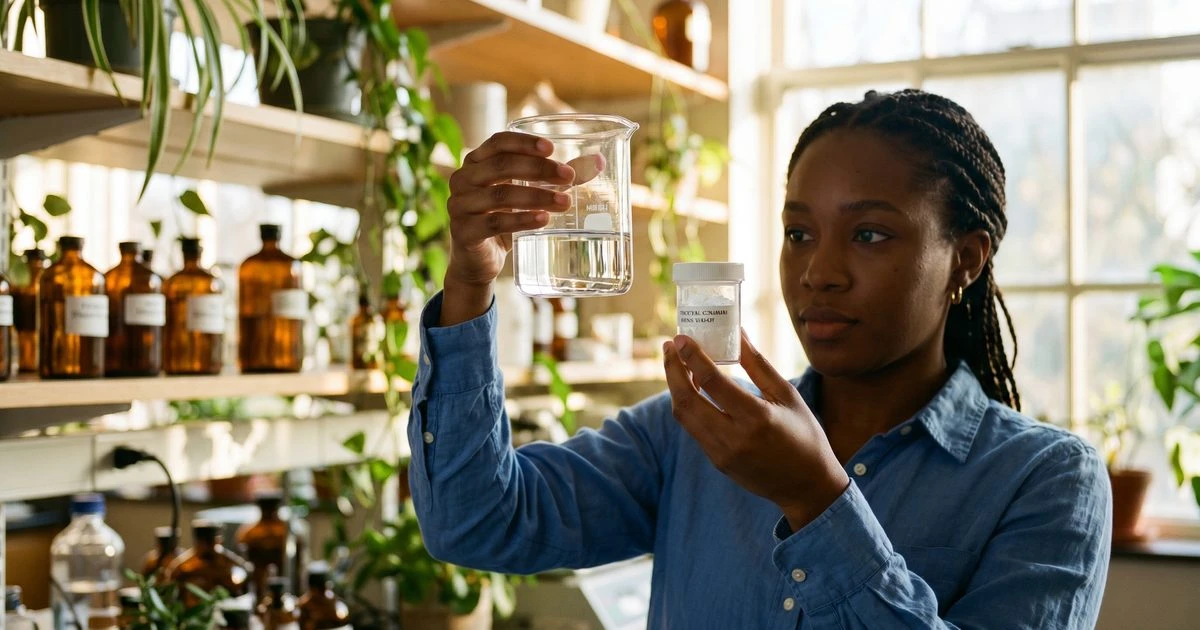
They were supposed to be the guilt-free answer to sugar. But a comprehensive review published in Medicina by Stanislava Ivanova and colleagues, drawing on 86 peer-reviewed studies screened from more than 16,000 records, suggests the health picture around artificial sweeteners is considerably more complicated than their marketing implies. The findings land at a moment when the global artificial sweetener market is valued at roughly USD 4.28 billion and climbing.
Gut Microbiome Disruption Is the Central Mechanism
The most consistent thread running through the evidence is what these compounds do to the gut. Animal studies show that artificial sweeteners alter the composition and function of intestinal bacteria in ways that promote dysbiosis, a state of microbial imbalance associated with insulin resistance, systemic inflammation, and increased intestinal permeability. Research published in Nature demonstrated that artificial sweeteners can induce glucose intolerance in mice and humans by significantly reshaping gut microbiota communities. The Medicina review reinforces this picture, linking sweetener-driven microbiome disruption to downstream risks including inflammatory bowel disease, obesity, diabetes, and even cancer. One specific pathway draws particular attention: propionic acid produced by gut bacteria has been tentatively connected to increased autism spectrum disorder risk, though that link remains preliminary.
Sucralose offers the most concrete human trial data here. In longer trials lasting around 10 weeks, sucralose consumption was associated with increased insulin levels and decreased insulin sensitivity in healthy adults, a counterintuitive result for a sweetener promoted as metabolically neutral. Saccharin, in a 12-week trial, was linked to weight gain comparable to sucrose. Aspartame and acesulfame potassium showed more neutral profiles for fasting glucose and body weight in trials up to 12 weeks, though the review cautions that short trial windows may miss longer-term effects.
Pregnant Women and Children Face Elevated Risk
The review singles out two populations where the emerging evidence is especially pointed. Pregnant women who consumed high amounts of artificial sweeteners were 2.6 times more likely to develop gestational diabetes mellitus compared to those who did not. Daily consumption of artificially sweetened beverages during pregnancy was also associated with increased risk of offspring overweight in later childhood. Research on artificial sweeteners in children has similarly flagged epidemiological associations between sweetener use and weight gain, with pediatric obesity and diabetes risk emerging as areas of concern.
For adolescents specifically, the review notes that non-caloric sweeteners may contribute to increased BMI over time, possibly by disrupting satiety signaling or reinforcing preferences for intensely sweet foods. The sweetness intensity involved is hard to overstate: neotame is 7,000 to 13,000 times sweeter than sugar, and advantame reaches roughly 20,000 times. Whether habitual exposure to such intensity recalibrates appetite regulation is an open question, but systematic reviews of artificially sweetened beverage effects on metabolic risk have found no statistically significant differences in some metabolic markers, highlighting how contested this territory remains.
Neurological Effects Appear in Animal Models
Perhaps the most striking section of the review concerns cognition. Multiple animal studies show that individual sweeteners impair memory, alter neurotransmitter balance, and produce behavioral changes. Long-term aspartame consumption in mice was linked to memory impairment attributed to oxidative stress in the hippocampus, the brain region central to learning. Aspartame is completely hydrolyzed in the gastrointestinal tract into phenylalanine, aspartic acid, and methanol; these metabolites may reduce dopamine and serotonin synthesis and induce oxidative stress. In people with phenylketonuria, who cannot metabolize phenylalanine, aspartame is outright contraindicated.
Acesulfame potassium, tested in animal models, impaired spatial and recognition memory, reduced expression of BDNF and its receptor TrkB in the hippocampus, and dysregulated glycolysis. Early exposure in rats carried cognitive deficits into adulthood. Saccharin consumption was associated with motor hyperactivity and working memory deficits in mice, along with epigenetic changes in spermatozoa, suggesting effects that could potentially extend across generations. Excessive sucralose intake was linked to impaired memory and executive function, plausibly via microbiome alterations and neuroinflammation.
It is critical to note that almost all of these neurological findings come from animal studies or epidemiological data in humans, not from controlled human trials designed to test cognition directly. The review is explicit on this point: the association between artificial sweeteners and neurological behavior in humans remains unresolved.
Why the Evidence Is Still Messy
The review's authors are candid about the limits of the current literature. Study designs vary enormously, exposure levels differ across populations, and funding sources introduce the possibility of bias. Epidemiological studies linking sweeteners to cognitive decline can identify patterns but cannot establish causation. Human data on sucralose's effects on gut permeability and glucose metabolism remain limited and inconsistent. The neurological effects of aspartame on human offspring are inferred partly from findings on preterm birth and cardiometabolic outcomes rather than direct cognitive measurement.
Regulatory agencies set Acceptable Daily Intake thresholds that average consumers generally do not exceed: the FDA, for instance, pegs aspartame at 50 mg per kilogram of body weight per day and sucralose at 5 mg per kilogram. Most dietary exposure assessments find typical consumers remain well below these limits. The review does not argue that current regulatory frameworks are wrong, but it does suggest those frameworks were built on a narrower understanding of sweetener biology than we now possess.
What Comes Next for Sweetener Research
The review points toward several pressing directions. Researchers are calling for integrated omics approaches combining metabolomics, transcriptomics, and metagenomics to map the full chain of interactions between sweeteners, gut bacteria, and host physiology. Natural alternatives, including steviol glycosides, monk fruit mogrosides, and thaumatin, are gaining attention as potentially safer options, though the evidence base for them is thinner still. Erythritol, a sugar alcohol, provides negligible calories and does not affect blood glucose, but recent studies have linked it to increased cardiovascular risk, a reminder that no substitute is automatically benign.
For the roughly 86 studies synthesized here, the clearest message is about uncertainty rather than alarm. Artificial sweeteners are not proven hazards at typical consumption levels, but the biological mechanisms they touch, particularly gut microbiota, insulin signaling, and neurotransmitter systems, are important enough that the gaps in knowledge deserve to be closed. Until they are, pregnant women, children, and heavy users have the strongest reasons to pay attention to the emerging signals.
Evidence rating
EMERGING — 84/100
Caveats:
- This is a narrative review synthesizing 86 studies with heterogeneous designs — findings across individual sweeteners vary and many conclusions rest on animal data that may not translate directly to humans.
- No funding source was declared by the authors.
- Many of the neurological and behavioral findings come from rodent studies conducted at doses that may not reflect typical human consumption.
- Human trials on gut microbiota effects are short-term (up to 12 weeks) and results are inconsistent across studies.
Narrative review synthesizing 86 peer-reviewed studies identified from PubMed, Scopus, Web of Science, and Google Scholar through May 2026. Findings are largely associative; causal mechanisms are proposed but not consistently established across human trials, and several key conclusions — particularly regarding neurological effects — rely primarily on animal models. Evidence on gut microbiota effects in humans is limited and inconsistent, and no independent replication of many individual study findings is reported.
References
- Stanislava Ivanova, Stanislav Dyankov, Vanya Nalbantova, Michaela Shishmanova-Doseva, Iva Slavova, Kremena Saracheva (2026). Synthetic Sweeteners and Human Health: An Overview of Health Risks, Vulnerable Populations, and Effects on Key Biological Systems. Medicina. https://doi.org/10.3390/medicina62061138
- Artificial sweeteners induce glucose intolerance by altering the gut microbiota. Nature. https://www.nature.com/articles/nature13788
- Rebecca J. Brown, Mary Ann de Banate, Kristina I. Rother (2010). Artificial Sweeteners: A systematic review of metabolic effects in youth. International Journal of Pediatric Obesity. https://doi.org/10.3109/17477160903497027
- Zhaojun Chen, Yunxia Zhu, Ting Wu, Xia Qian, Ye Hu, Wensheng Hu (2023). The effect of maternal vitamin D deficiency during pregnancy on glycolipid metabolism of offspring rats and the improvement of vitamin D intervention after weaning. Frontiers in Nutrition. https://doi.org/10.3389/fnut.2023.1214040
- Are artificial sweeteners bad for you? The truth about popular sugar replacers – University of Rochester Medical Center. urmc.rochester.edu. https://www.urmc.rochester.edu/encyclopedia/content.aspx?ContentTypeID=1&ContentID=4573
- Helal F. Hetta, Nizar Sirag, Hassabelrasoul Elfadil, et al. (2025). Artificial Sweeteners: A Double-Edged Sword for Gut Microbiome. Diseases. https://doi.org/10.3390/diseases13040115


