A Souped-Up Millet Improved Toddler Gut Health Without the Usual Iron Supplement Side Effects
Cornell researchers gave Mumbai toddlers a pearl millet bred to carry nearly triple the iron of the standard grain. Nine months later, their gut bacteria showed more pathogen-fighting and antioxidant activity, and none of the stomach trouble iron drops usually cause.

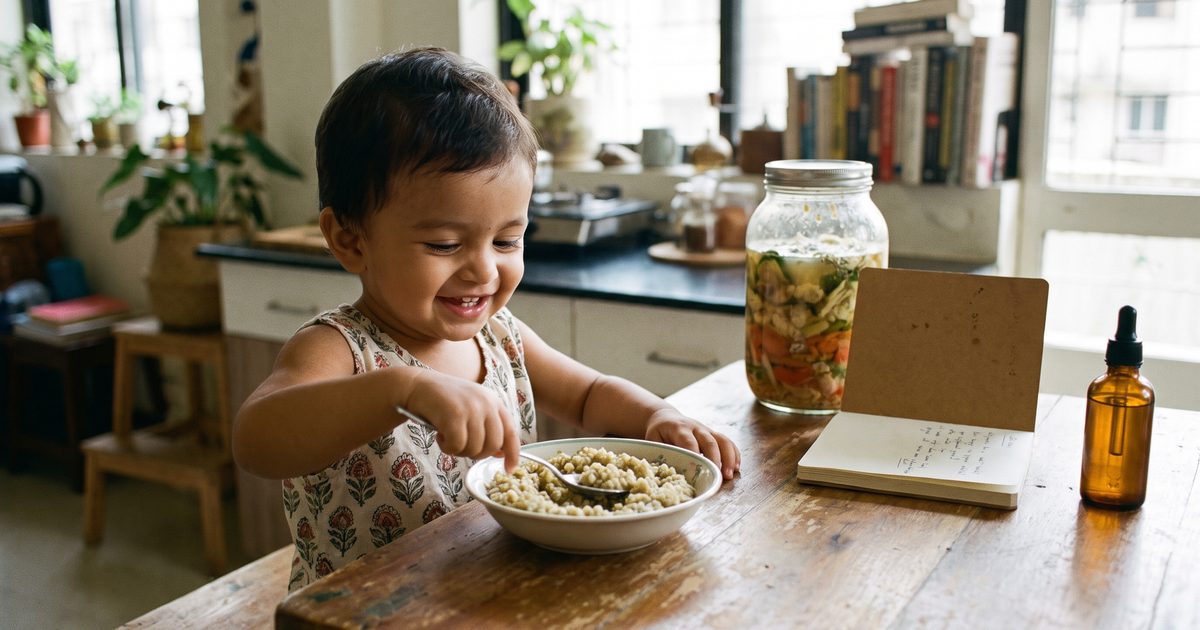
If you've ever given a toddler iron drops and dealt with the constipation or dark stools that often follow, a new trial offers a gentler alternative worth knowing about. Researchers at Cornell University tested whether a grain bred to carry far more iron than usual could improve gut health in young children, without the stomach trouble that iron supplements commonly cause. Nine months into the trial, the answer looked promising, at least for the gut bacteria doing the work behind the scenes.
Key Takeaways
- A 9-month randomized trial gave 223 toddlers in Mumbai a pearl millet variety bred to carry roughly three times the iron of standard millet.
- Toddlers who ate the biofortified millet showed more gut-microbial activity linked to fighting off harmful bacteria and producing antioxidants.
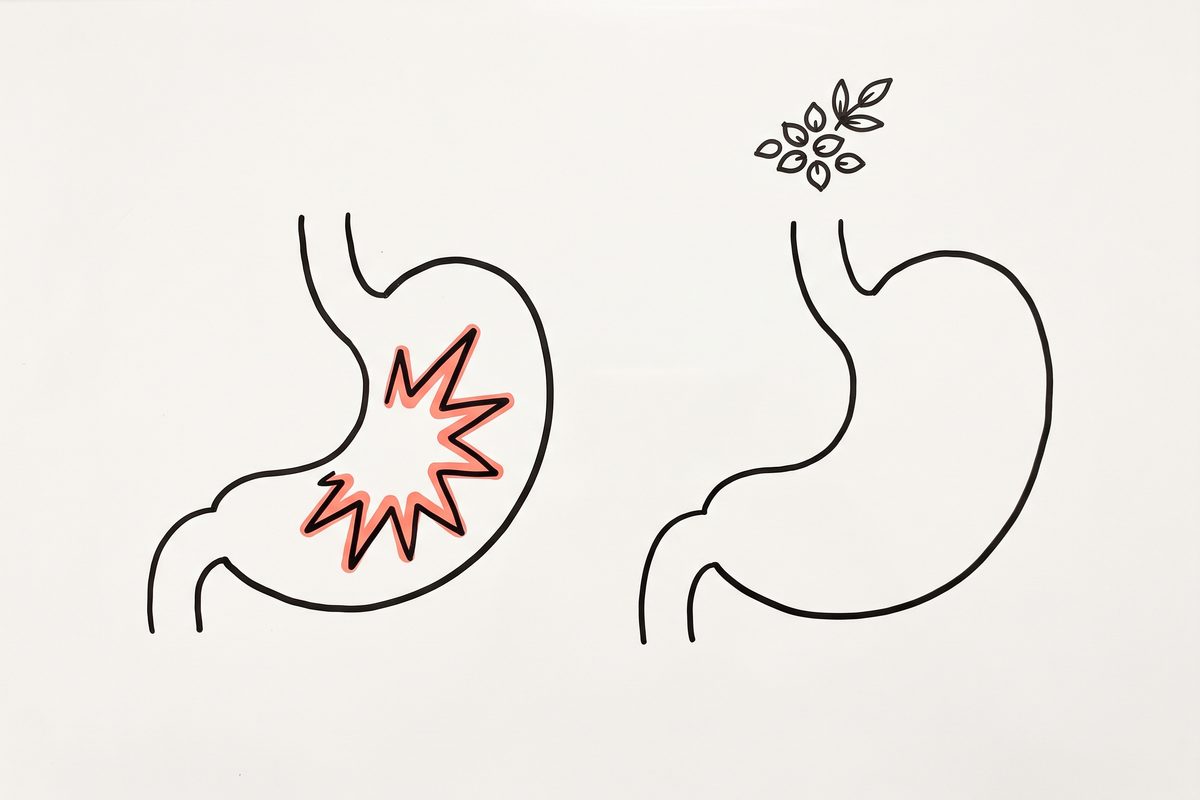
- None of the gastrointestinal side effects common with iron supplements, like constipation or dark stools, showed up in the trial.
- This is one single-site trial; the exact size of the gut-microbiome effect wasn't reported, and there's no long-term outcome data yet.
Biofortified Pearl Millet Boosted Gut-Microbial Activity in Toddlers
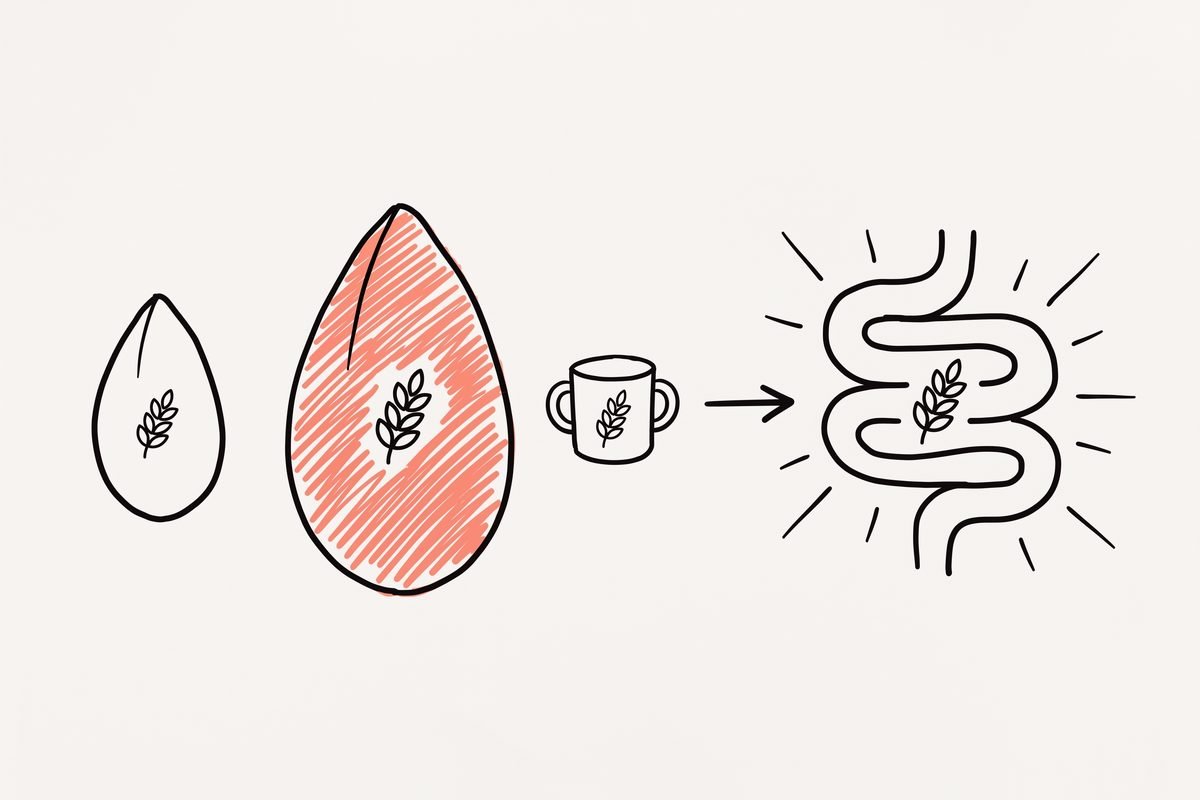
Researchers led by Dr. Saurabh Mehta at Cornell's Joan Klein Jacobs Center for Precision Nutrition and Health, along with co-first authors Samantha Huey and Nathanial Cole, ran a randomized trial testing a pearl millet variety bred through traditional cross-breeding (not genetic engineering) to carry more iron and zinc than the standard grain. Over 9 months, 223 toddlers ages 12 to 18 months in Mumbai, India, ate either the biofortified millet or a standard version as part of their diet. By the end of the trial, gut-microbial pathway activity linked to producing natural antibiotic-like compounds and antioxidant metabolism was higher in the biofortified-millet group, and markers of harmful bacteria were lower, according to Cornell Chronicle coverage of the published findings.
Why This Matters for Families Managing Toddler Iron Deficiency
Iron deficiency is one of the most common nutritional problems in young children worldwide, and standard fixes, iron drops or fortified formula, often come with gastrointestinal side effects that make caregivers reluctant to keep up the routine. Iron supplements are well known to cause constipation, nausea, and dark stools in some children. A food-based iron source that toddlers simply eat as part of a meal, without those side effects, would remove a real barrier to consistent iron intake in communities where deficiency is common.
How the 9-Month Mumbai Trial Was Designed

The trial delivered biofortified pearl millet through 20 sites via SNDT Women's University and the Centre for the Study of Social Change, comparing toddlers who received the iron- and zinc-enriched grain against toddlers who ate standard millet, over 9 months. The work was funded by the USDA National Institute of Food and Agriculture, HarvestPlus and the Gates Foundation, the MacArthur Foundation, and the NIH, and builds on earlier formative research establishing the biofortification approach. Researchers tracked gut-microbial gene activity (which genes the bacteria were actively using, not just which species were present) to see whether the added iron changed what the gut community was doing, not only who was living there.
What This Means for Parents Weighing Iron Options
For a caregiver already managing a toddler's iron levels, this study doesn't yet mean swapping out a doctor-recommended supplement for millet. What it does suggest is that food-based iron delivery may be gentler on a young child's gut than a concentrated supplement dose, worth discussing with a pediatrician if GI side effects have been a struggle with drops or fortified formula. Biofortified millet products are not yet widely available as a consumer product outside research and public health programs, so this is a research finding pointing toward a future option, not a supplement swap available today.
The Microbiome Effect Size Isn't Reported Yet
The trial's biggest open gap is precision: press coverage of the findings describes the direction of the gut-microbiome changes, more pathogen-defense and antioxidant activity, less harmful-bacteria signal, but does not report exactly how large those shifts were in statistical terms. That makes it hard to judge whether the effect is modest or substantial. The trial was also conducted at a single set of sites in Mumbai, so it's unclear whether the same effect would show up in toddlers eating different baseline diets elsewhere.
What Comes Next for Biofortified Grain Research
The natural next step is longer-term follow-up tracking whether the gut-microbiome changes translate into measurable health outcomes, fewer infections, better growth, improved iron status markers in blood, beyond the 9-month window already studied. Researchers will also need to test whether the same biofortified millet performs consistently across different regions and baseline diets before it could inform broader nutrition programs.
Common Questions
Is biofortified millet available to buy? Not as a standard consumer product yet. This is a research and public health program, delivered through specific trial sites in Mumbai, not something currently sold at grocery stores.
Does biofortified millet replace iron supplements? Not based on this study alone. Iron supplements remain the standard recommendation for diagnosed iron deficiency; this trial suggests a food-based approach may be gentler on the gut, but replacement wasn't tested directly.
What gut bacteria changes did researchers find? Toddlers eating the biofortified millet showed more microbial activity linked to fighting pathogens and producing antioxidants, and lower markers of harmful bacteria, though the exact size of these changes wasn't reported in available coverage.
Why does iron sometimes cause stomach problems in supplements but not in this trial? Concentrated iron supplements deliver a dose all at once, which can irritate the gut lining; food-based iron delivered through a grain like millet may be absorbed and processed differently, though the exact mechanism wasn't detailed in this trial's coverage.
Evidence Rating
EMERGING — 73/100
Caveats
- Single-site trial (Mumbai only)
- Microbiome effect sizes not reported numerically in press coverage, only qualitative direction
- No long-term (multi-year) growth/health outcome data yet
A single, well-sized randomized trial at one site shows encouraging gut-microbiome and safety signals; effect sizes and longer-term outcomes are not yet reported, so replication is needed before this is established.
References
- (2026). Biofortified millet improves toddler gut health without adverse effects – News-Medical.Net. https://www.news-medical.net/news/20260805/Biofortified-millet-improves-toddler-gut-health-without-adverse-effects.aspx
- Could supercharged millet help children's gut health?. news.cornell.edu. https://news.cornell.edu/stories/2026/07/humble-grain-big-question-could-supercharged-millet-help-childrens-gut-health
- Iron Supplementation. NIH. https://www.ncbi.nlm.nih.gov/books/NBK557376/
- Formative trial on biofortified pearl millet. NIH. https://pubmed.ncbi.nlm.nih.gov/35299084/