Fasting Triggers the Body’s Built-In Cellular Cleanup, and the Evidence Is Growing
Your cells run a continuous waste-removal program that quietly breaks down damaged proteins, worn-out organelles, and cellular debris. New clinical data suggests fasting may be one of the most powerful switches to turn it on.

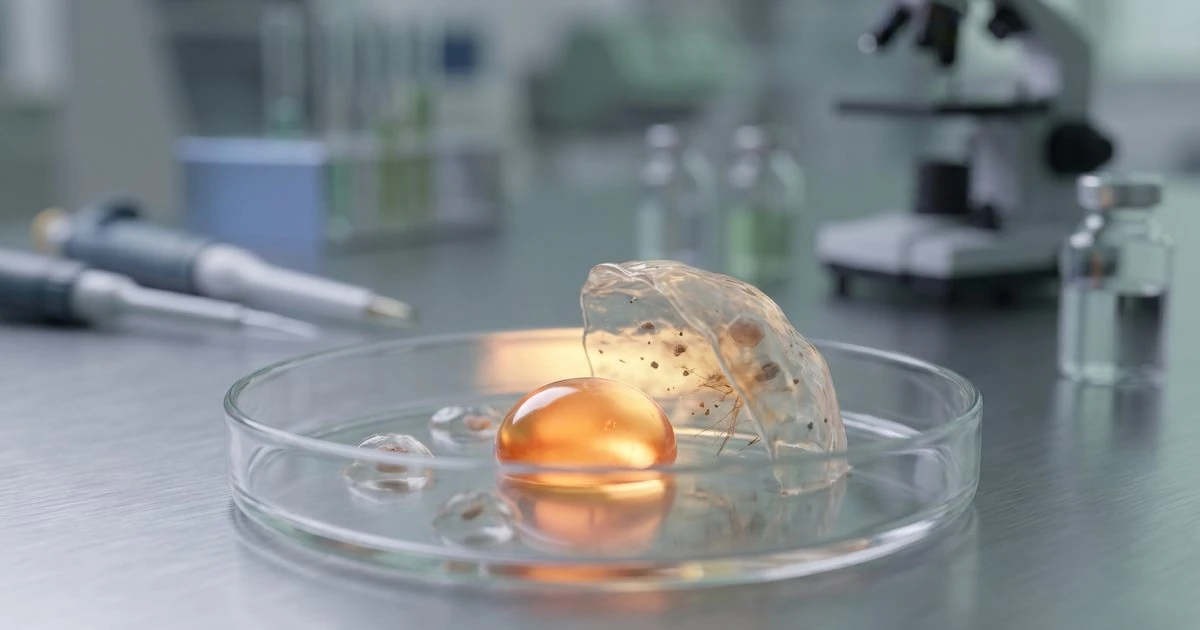
Sometime around the 12-to-18-hour mark of not eating, something shifts inside your cells. A cellular recycling process called autophagy ramps up, dismantling damaged proteins, clearing out dysfunctional organelles, and converting the debris into molecular building blocks the body can reuse. For decades this process was largely a laboratory curiosity. Now, a pair of recent clinical trials is starting to put real human numbers behind it, and the findings carry implications for aging, neurodegeneration, and metabolic disease.
Autophagy: How Cells Dismantle Their Own Damaged Parts
The word comes from the Greek for "self-eating," and the mechanics are as elegant as the name is unsettling. When a cell identifies a damaged mitochondrion, a clump of misfolded protein, or an invading pathogen, it wraps the target in a double-membrane sac called an autophagosome. That sac then fuses with a lysosome, a compartment packed with digestive enzymes, which breaks the cargo down into amino acids, fatty acids, and sugars ready for reuse. The process won Yoshinori Ohsumi the 2016 Nobel Prize in Physiology or Medicine for mapping the genetic and molecular machinery that drives it in yeast, work that translated directly to our understanding of human biology.
Autophagy is not a single switch. It operates in bulk mode during severe nutrient deprivation, clearing whatever it can, and in selective mode when specific molecular tags flag particular cargo. Mitophagy removes damaged mitochondria before they flood the cell with excess free radicals. Aggrephagy targets the misfolded protein clumps, amyloid-beta, tau, and alpha-synuclein, that accumulate in Alzheimer's and Parkinson's disease. Xenophagy hunts invading microorganisms. Each sub-process is tuned to a specific threat.
The master regulator is a nutrient-sensing protein complex called mTOR. When food is plentiful, mTOR runs hot, pushing the cell toward growth and suppressing autophagy. When calories drop, mTOR activity falls, a separate energy sensor called AMPK rises and activates autophagic enzymes, and the cleanup crew gets to work. Modern eating patterns, three meals a day plus frequent snacks, are hypothesized to keep mTOR chronically elevated and autophagy chronically suppressed.
What Declining Autophagy Means for Aging and Disease
In youth, autophagy hums along efficiently. With age, its activity declines, and cellular debris accumulates. That accumulation is not merely untidy; research links impaired autophagy to neurodegeneration, metabolic dysfunction, immune dysregulation, and certain cancers. Deletion or mutation of autophagy-related genes in animal models produces obesity, insulin resistance, diabetes, and neurodegenerative disease. Autophagy inhibition also induces a state called cellular senescence in neurons and supporting glial cells, a kind of permanent growth arrest that accelerates tissue aging.
The cancer relationship is notably complex. In healthy cells, autophagy suppresses tumor formation by clearing damaged DNA and dysfunctional mitochondria. But once a tumor is established, it can hijack the same machinery to survive nutrient stress. This context-dependence is one reason scientists studying autophagy as a therapeutic target have had to proceed carefully; a blanket activator or inhibitor is unlikely to help across all disease states.
Two Recent Clinical Trials That Measured Autophagy in Living People
Most of what was known about autophagy in humans was inferred from animal models or cell culture. Two recent trials changed that, at least in preliminary terms.
A May 2025 study randomized 121 adults to standard care, calorie restriction, or intermittent time-restricted eating for six months and directly measured autophagic flux, a dynamic measure of how actively the process is running rather than just whether autophagy-related proteins are present. The time-restricted eating group showed a measurable increase in autophagic flux, one of the first demonstrations of the effect in a controlled human cohort.
A December 2025 pilot randomized controlled trial tested a five-day fasting-mimicking diet, a commercial protocol called ProLon that delivers roughly 700 to 1,100 calories daily through soups, bars, and supplements designed to keep the body in a fasting-like metabolic state. Participants showed increased autophagy activity alongside weight loss and improved metabolic markers. Dr. Sara Espinoza, one of the researchers involved, described it as "among the first studies to evaluate the dynamic process of autophagy in humans during a medical nutrition program," adding that it "opens an exciting avenue for how short, periodic fasting-mimicking nutrition could be used to intervene in support of healthy aging and metabolic health."
Both studies are preliminary. Sample sizes are modest, follow-up periods are short, and the field still lacks standardized tools for measuring autophagy in living humans with the precision available in cell culture.
Pharmacological and Behavioral Ways to Boost Autophagy
Beyond fasting, researchers are pursuing several activation routes. Rapamycin, an mTOR inhibitor already approved as an immunosuppressant, is being studied as a longevity compound precisely because it mimics the fasting signal to cells. Spermidine, a natural polyamine found in wheat germ, aged cheese, and mushrooms, induces autophagy through a separate pathway and is in clinical testing for cognitive protection in older adults.
On the behavioral side, endurance exercise independently induces autophagy in muscle and brain tissue, with particularly pronounced effects in aged animals, even without calorie restriction. Protein restriction, especially reducing intake of leucine, an amino acid that powerfully activates mTOR, amplifies autophagy further. These interventions are not new: periods of lower food intake and vigorous physical activity have been features of human life for most of history. The novelty is that researchers now have molecular language to describe what those patterns were doing at the cellular level.
Fasting duration appears to matter. Activity begins to rise somewhere in the 12-to-18-hour range and increases further over 24 to 48 hours, though extreme prolonged fasting carries real risks including muscle loss, electrolyte imbalances, and psychological stress. The emerging picture suggests that moderate, periodic fasting may capture most of the benefit with far less of the downside.
Open Questions and Where Autophagy Research Is Heading
The clinical evidence remains thin by the standards of established medicine. Researchers in the field acknowledge that key questions remain, including how autophagy behaves differently across tissue types, how to measure it accurately in living humans at scale, and how to design interventions that target it precisely without unintended consequences.
Pharmacological trials for Alzheimer's disease are testing mTOR inhibitors and TFEB activators, a transcription factor that switches on autophagy genes. These are still in clinical study phases. The road from a measurable increase in autophagic flux in a 121-person fasting trial to a validated therapeutic strategy for neurodegeneration is long. But the directional signal, that the body's own cellular housekeeping system can be deliberately activated through diet, exercise, and possibly targeted drugs, is attracting serious scientific attention for the first time since Ohsumi's yeast experiments opened the door.
Evidence rating
EMERGING — 73/100
Caveats:
- Funding for the primary studies cited was not disclosed.
- Human clinical evidence for autophagy activation remains limited; many findings extrapolate from animal or preclinical data.
- The fasting-mimicking diet pilot trial was small and short-term; long-term safety and efficacy in diverse populations are unestablished.
- Autophagy's relationship with cancer is complex — it may suppress tumors in healthy tissue but can support survival of established tumors.
This article synthesizes emerging human and preclinical evidence on autophagy, drawing primarily on a 121-person six-month RCT and a small fasting-mimicking diet pilot trial. While named mechanisms (mTOR, AMPK, mitophagy, aggrephagy) and specific interventions are cited, much of the supporting evidence is extrapolated from animal studies, and human replication at scale remains limited. The article shows association and partial mechanistic plausibility rather than a fully established causal chain in humans.