Ginseng Polysaccharides Rewire Gut Bacteria to Fight Chemo-Induced Immune Collapse
Chemotherapy can devastate the immune system almost as thoroughly as the cancer it targets. Preliminary research now suggests that two compounds from American ginseng, working together, may help rebuild that lost immunity through the gut.

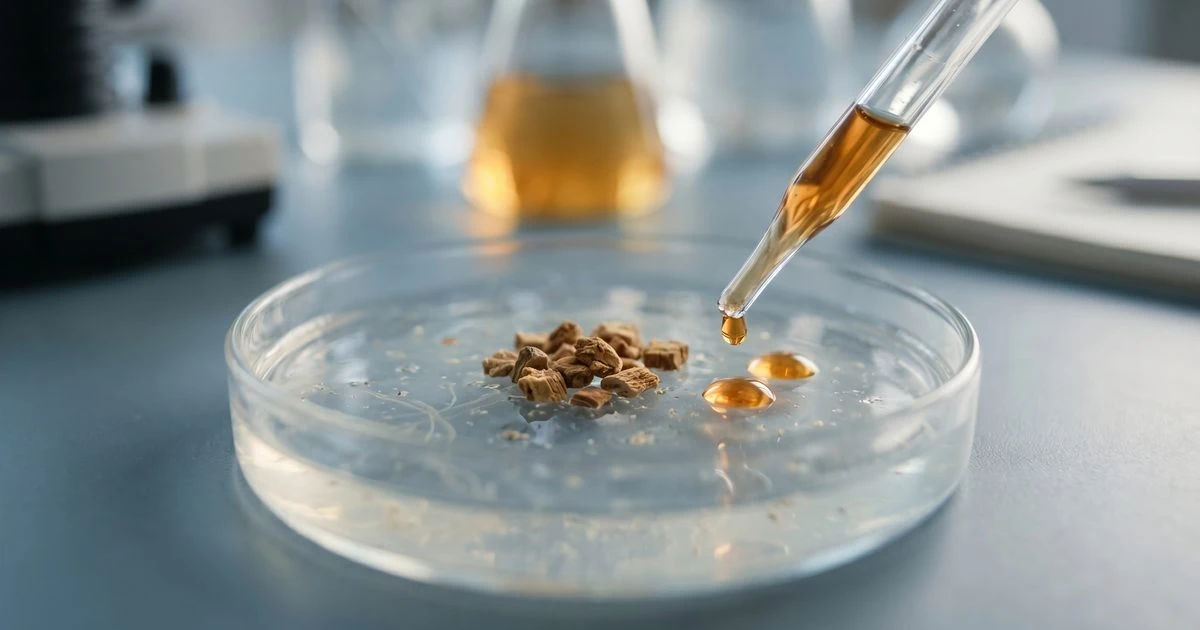
Cyclophosphamide, one of oncology's workhorses, does something deeply counterproductive: the same high doses that kill tumor cells also wipe out immune defenses and shred the intestinal lining. A new study published in Phytomedicine offers early evidence that two components of American ginseng, a polysaccharide fraction and a ginsenoside fraction, may help reverse that damage by reshaping the microbial community living in the gut. The findings are preliminary, based entirely on mouse models, but they add meaningful texture to the growing idea that ginseng's medicinal reputation is not just folklore.
Ginseng polysaccharide and ginsenoside work better together
Researchers led by J. Zhao and colleagues tested American ginseng polysaccharide (AGP), ginsenoside (AGG), and a combined AGP plus AGG treatment in mice whose immune systems had been suppressed with high-dose cyclophosphamide. Each intervention ran for two weeks. All three treatments improved immune markers compared to untreated controls, but the co-treatment group consistently outperformed either compound alone. That synergy is the paper's central claim: the neutral polysaccharides and the triterpene ginsenosides appear to hit complementary targets, producing effects neither achieves in isolation. This matters because ginseng polysaccharides have been explored as prebiotics across conditions ranging from diarrhea to dementia, yet most prior work has examined the fractions separately rather than in combination.
Immune cell restoration in spleen, blood, and gut tissue
The co-treatment reversed several concrete markers of immunosuppression. In the spleen and peripheral blood, AGP plus AGG restored the ratio of lymphocyte subsets that cyclophosphamide had thrown out of balance. In the small intestine, it stimulated CD4-positive T cells and boosted IgA-secreting cells, the front-line antibody producers that coat the gut lining. Intestinal morphology also improved: the villus height to crypt depth ratio recovered, goblet cell numbers rose, and mucin expression increased. Perhaps most structurally telling, tight junction proteins ZO-1 and occludin were restored, two molecular rivets that seal the gut wall against bacterial leakage. For cancer patients on chemotherapy, gut dysbiosis and mucosal breakdown are chronic inflammatory hazards that compound the harms of treatment itself, which makes any credible intervention worth scrutiny.
How the microbial shift was mapped
The team used 16S rRNA gene sequencing to track changes in gut bacteria and ultra-performance liquid chromatography coupled to time-of-flight mass spectrometry to identify differential fecal metabolites. This pairing of community-level microbial profiling with metabolomic readout is the methodological move that lets the researchers connect a bacterial shift to a downstream chemical signal. Earlier in vitro work using fermentation models has shown that polysaccharides from ginseng and related plants are actively degraded by fecal bacteria, suggesting that the microbiota does not merely coexist with these compounds but actually processes them. The current study builds on that by capturing what happens to the host immune state when that processing occurs in a living animal.
The microbial picture that emerged was specific. AGP plus AGG increased Clostridiales, Bifidobacterium, and Lachnospiraceae, taxa broadly associated with short-chain fatty acid production and mucosal support. It simultaneously reduced Escherichia-Shigella and Peptococcaceae, families associated with gut inflammation and barrier disruption. Research on Panax ginseng polysaccharides has flagged similar shifts in intestinal microbiota composition linked to reduced inflammatory signaling, lending some cross-study consistency to the pattern. On the metabolite side, the altered compounds included uric acid, xanthurenic acid, acylcarnitine, and specific lysophospholipid species including LysoPE, LysoPC, and LysoPI, all connected to immunometabolism or gut barrier integrity according to the authors.
Key caveats before extrapolating to humans
This is mouse research, and cyclophosphamide-induced immunosuppression in rodents is a useful but imperfect model of what cancer patients experience. The two-week intervention window is short, and the paper does not report dose-response data or long-term safety. Metabolite associations are correlational: identifying that uric acid levels changed alongside immune recovery does not establish that uric acid is driving the recovery. The gut microbiome's capacity to shape immune responses is well-documented, but translating a microbial shift in mice into a clinical outcome in humans requires substantially more work. The source article itself frames these findings as a foundation for exploring AG as an immunostimulant adjunct, not as evidence for a finished therapy.
What a path to clinical relevance would require
The authors suggest that the gut microbe-metabolic axis is the underlying mechanism, meaning the polysaccharides and ginsenosides essentially feed and sculpt a microbial community that then produces metabolites favorable to immune recovery. If that model holds, the next logical steps are dose optimization studies, tests in larger animals, and eventually trials in chemotherapy patients to see whether the mouse findings survive contact with human biology. The specific taxa identified, particularly Bifidobacterium and Lachnospiraceae, are targetable; they can be selectively cultured, transferred, or supported with other prebiotics. American ginseng has a centuries-long history of use for immune support, but the research here is early-stage: promising enough to justify further investigation, not mature enough to inform clinical decisions. The combination angle, polysaccharide plus ginsenoside working synergistically, is the detail most worth watching as this line of inquiry develops.
Evidence rating
INVESTIGATIONAL — 71/100
Animal-only study using a cyclophosphamide-induced immunosuppression mouse model. All findings are derived from rodent subjects, so causal conclusions cannot yet be extended to humans. The proposed gut microbe-metabolic mechanism has not been independently replicated in human populations.

