Two Gut Bacteria May Flag Type 2 Diabetes Risk Years Before Diagnosis
Chalmers University researchers tracked gut bacteria in thousands of Swedish adults for five years and found two species, one that turns harmful without enough fiber, that tracked with who later developed type 2 diabetes.

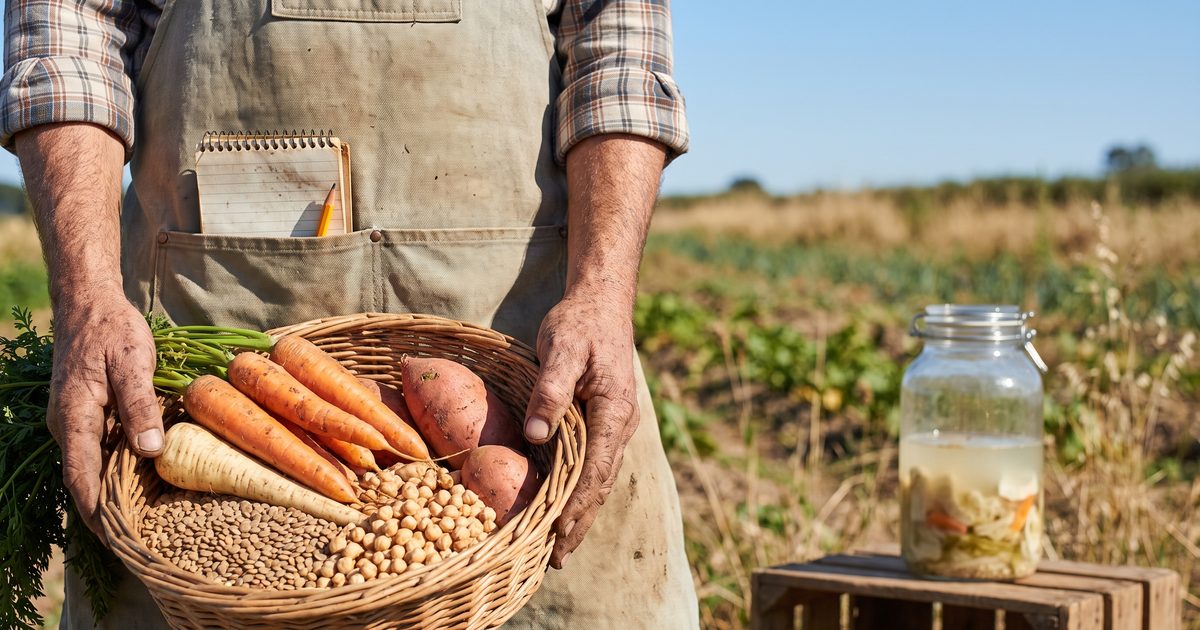
If you've been quietly tracking your blood sugar, worrying about a family history of type 2 diabetes, or just trying to understand what your gut has to do with your metabolism, a new study gives you something concrete to watch for. Researchers in Sweden followed nearly 4,700 adults for years, sampled their gut bacteria before anyone got sick, and then waited to see who developed type 2 diabetes. The bacteria in a person's gut tracked with who eventually did, and the mechanism the researchers propose starts with something as ordinary as how much fiber you eat.
Key Takeaways
- Researchers identified nine species of gut bacteria whose abundance in a stool sample was linked to a person's odds of developing type 2 diabetes years later.
- Two stood out: elevated Akkermansia muciniphila combined with low fiber intake, and very low Coprococcus catus.
- The proposed mechanism is that low fiber intake pushes normally protective, mucus-associated bacteria to instead damage the gut's protective mucus layer.
- This is one observational study from a single Swedish cohort; the researchers say it needs validation before it can be used for diagnosis or personalized dietary advice.
Nine Gut Bacteria Species Are Linked to Later Type 2 Diabetes Risk

A team led by Dr. Gael Toubon and Prof. Rikard Landberg at Chalmers University of Technology in Gothenburg, Sweden, identified nine species of gut bacteria (the trillions of microorganisms that live in the intestines) whose abundance in a stool sample tracked with a person's odds of developing type 2 diabetes years later, according to a study published in Cell Reports Medicine in 2026. Two species stood out. Higher levels of Akkermansia muciniphila, a bacterium usually considered one of the "good" residents of the gut, were tied to greater diabetes risk, but only in people who also ate little dietary fiber. Separately, very low abundance of Coprococcus catus was linked to a higher chance of developing the disease. "We observed nine bacteria in the microbiome that are associated with the risk of developing the disease," the researchers said in a statement accompanying the study.
Why This Matters for Anyone Already Watching Their Blood Sugar
Type 2 diabetes develops gradually, often for years before a diagnosis, which is exactly the window this study focused on. Among the 383 participants who went on to develop the disease, the bacterial patterns were already detectable in stool samples collected before any of them had diabetes. That is the practical hook for anyone with prediabetes, a family history of type 2 diabetes, or a personal reason to be watching their metabolic health: if these bacterial signatures hold up in future research, a stool sample could someday sit alongside blood glucose tests as an early warning sign, catching risk years before symptoms would otherwise prompt a doctor's visit.
Inside the Swedish Cohort: 4,685 Adults Followed for Five Years
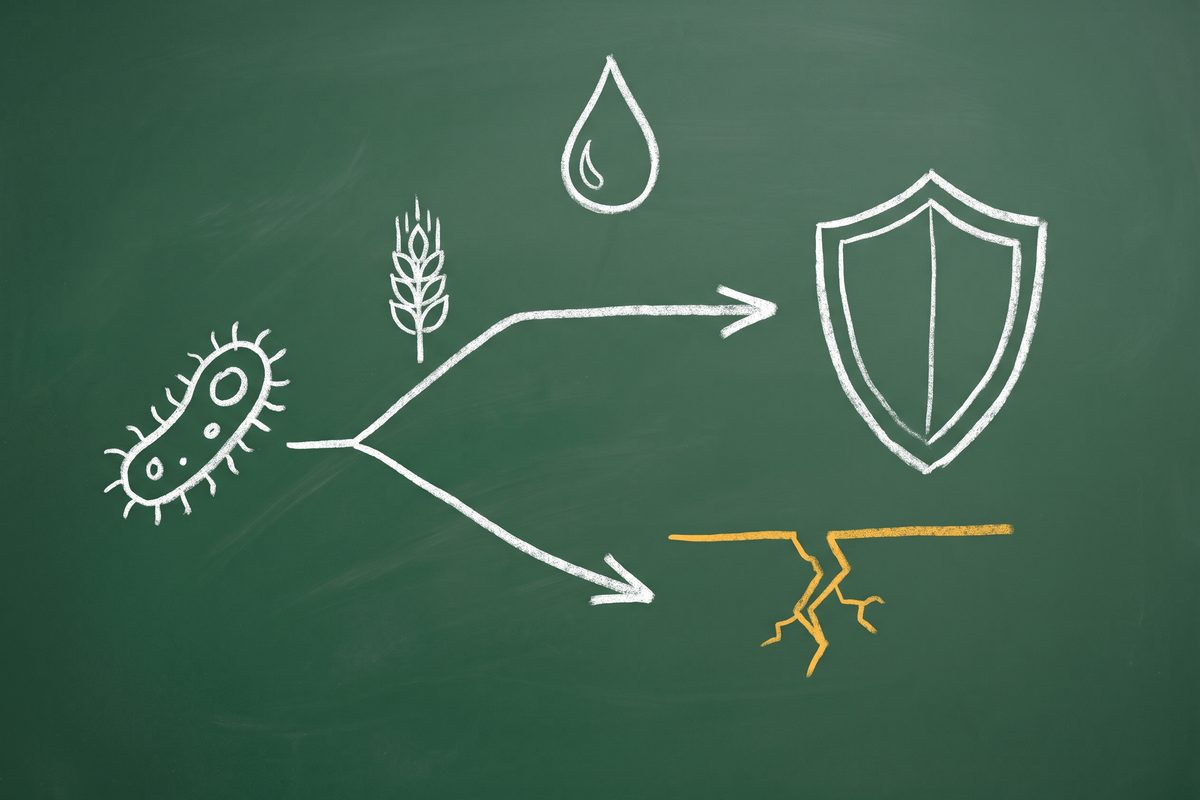
The findings come from a large prospective epidemiological cohort study, the kind that follows the same group of people forward in time rather than looking backward at people who are already sick. Researchers collected stool samples and health data from 4,685 Swedish adults, then followed them for an average of five years. During that time, 383 participants developed type 2 diabetes. The project is part of the EU Horizon Europe "HealthFerm" initiative, with additional funding from the Swiss State Secretariat for Education, Research and Innovation. Because the bacterial profiling happened before diagnosis, the design lets researchers ask whether the gut bacteria patterns came first, something a one-time snapshot study cannot do.
What This Could Mean If You're Managing Your Own Gut and Metabolic Health
The researchers' proposed explanation ties the findings back to something readers already hear about constantly: fiber. Akkermansia muciniphila normally helps maintain the gut's protective mucus layer, the barrier that keeps bacteria at arm's length from the intestinal wall. The Chalmers team's mechanistic interpretation is that when dietary fiber intake is too low, this normally protective, mucus-associated bacterium instead starts consuming the mucus layer itself, thinning a barrier it would otherwise help maintain. "When our fibre intake is too low, it instead starts to break down the gut's protective mucus layer," the researchers said. That idea lines up with separate laboratory research: a 2023 Nature Microbiology study found that fiber-deprived mice colonized with Akkermansia muciniphila developed a thinner, more permeable gut barrier and worse allergic responses, and a review in the journal Infection and Immunity describes the same bacterium as capable of compromising the mucus barrier when conditions, including low-fiber diets, push its mucus-degrading activity too far. None of this means a specific supplement or Akkermansia probiotic is a proven fix. The one piece of practical advice the researchers themselves endorse is the least exciting one: eating enough fiber, not any single food or supplement, is what appears to keep this relationship in check.
The Big Caveat: An Association, Not Yet a Diagnostic Tool

The researchers are explicit that this is one study, and an observational one. It shows an association between bacterial patterns and later diabetes, not proof that the bacteria themselves cause the disease. The specific effect sizes, exactly how much more or less risk each bacterium confers, were not reported in the materials describing the study. The authors state plainly that these findings need validation in additional large studies before they could be used for any clinical or diagnostic purpose, and that dietary advice cannot yet be personalized based on these specific bacterial markers. For now, the only fiber recommendation the science supports is the general one already familiar to anyone who has seen a nutrition label: eat more of it.
What Comes Next for Gut-Based Diabetes Prediction
The Chalmers team frames the stool sample as a potential future complement to existing diabetes risk tools, not a replacement for them. "Risk factors such as obesity, heredity and blood glucose levels could be supplemented with a stool sample to better predict the risk," the researchers said. Turning that into a usable clinical test would require replicating the nine-bacteria signature in other populations beyond this Swedish cohort, and working out how much predictive power the bacteria add on top of the risk factors doctors already track. Independent coverage of the findings frames this validation step as the natural next phase of the HealthFerm project's work.
Common Questions
Does having Akkermansia muciniphila in your gut mean you'll get diabetes? No. Elevated Akkermansia muciniphila was linked to greater risk only in combination with low dietary fiber intake in this study; the bacterium is generally considered beneficial, and the researchers did not find it harmful on its own.
Can a stool test currently predict my diabetes risk? Not yet. The researchers say their findings need validation in further large studies before any bacterial marker could be used as a clinical or diagnostic test.
What can I actually do based on this study? The one action the researchers themselves endorse is increasing dietary fiber intake, since low fiber is the condition under which the protective bacteria in this study appeared to turn harmful; the study does not support any specific supplement or probiotic strain as a proven intervention.
Evidence Rating
EMERGING — 84/100
Caveats
- Single cohort; authors explicitly state findings need validation in additional large studies before clinical use
- Observational/associational – not a causal trial; effect sizes not reported in available press materials
- Not yet actionable for personalized dietary advice per the researchers
This is one large prospective human cohort study (n=4,685) linking gut bacteria patterns to later type 2 diabetes risk; it is observational, unreplicated, and the authors say it needs validation before any clinical application.
References
- (2026). Predicting diabetes via your gut bacteria – The Star. https://www.thestar.com.my/lifestyle/health/2026/08/05/predicting-diabetes-via-your-gut-bacteria
- Amy Parrish, Marie Boudaud, Erica T. Grant, et al. (2023). Akkermansia muciniphila exacerbates food allergy in fibre-deprived mice. Nature Microbiology. https://doi.org/10.1038/s41564-023-01464-1