A Gut Bacterium Makes Its Own Antioxidant to Heal a Damaged Gut Lining
A Kansas State University study finds that Eubacterium rectale, one of the gut's most common bacteria, produces its own glutathione and uses it to calm oxidative stress and help repair a damaged intestinal lining, in mice, cells, and lab-grown gut tissue.

If you manage IBS, IBD, or another condition where a damaged gut lining is part of the problem, a new study points to an unexpected ally already living in most people's intestines. Researchers at Kansas State University found that Eubacterium rectale, one of the most common bacteria in a healthy human gut, produces its own glutathione, a powerful antioxidant, and uses it to calm oxidative stress and help repair damaged intestinal tissue. The work spans mice, human cells, and lab-grown gut tissue, and offers a concrete mechanism for something researchers have long suspected: that specific gut bacteria actively protect the gut lining, not just coexist with it.
Key takeaways
- Eubacterium rectale, a common gut bacterium, produces its own glutathione, an antioxidant that reduces oxidative stress in gut cells.
- In lab-grown human gut tissue (organoids), the bacterium's secretions reduced oxidative damage and partially restored the gut's protective barrier.
- RNA analysis found 63 gene families in gut cells changed activity in response to the bacterium's antioxidant output.
- This is mouse, cell, and organoid research; the human evidence is a correlational comparison in IBD patients, not a treatment trial.
Eubacterium rectale Produces Its Own Antioxidant to Protect Gut Tissue
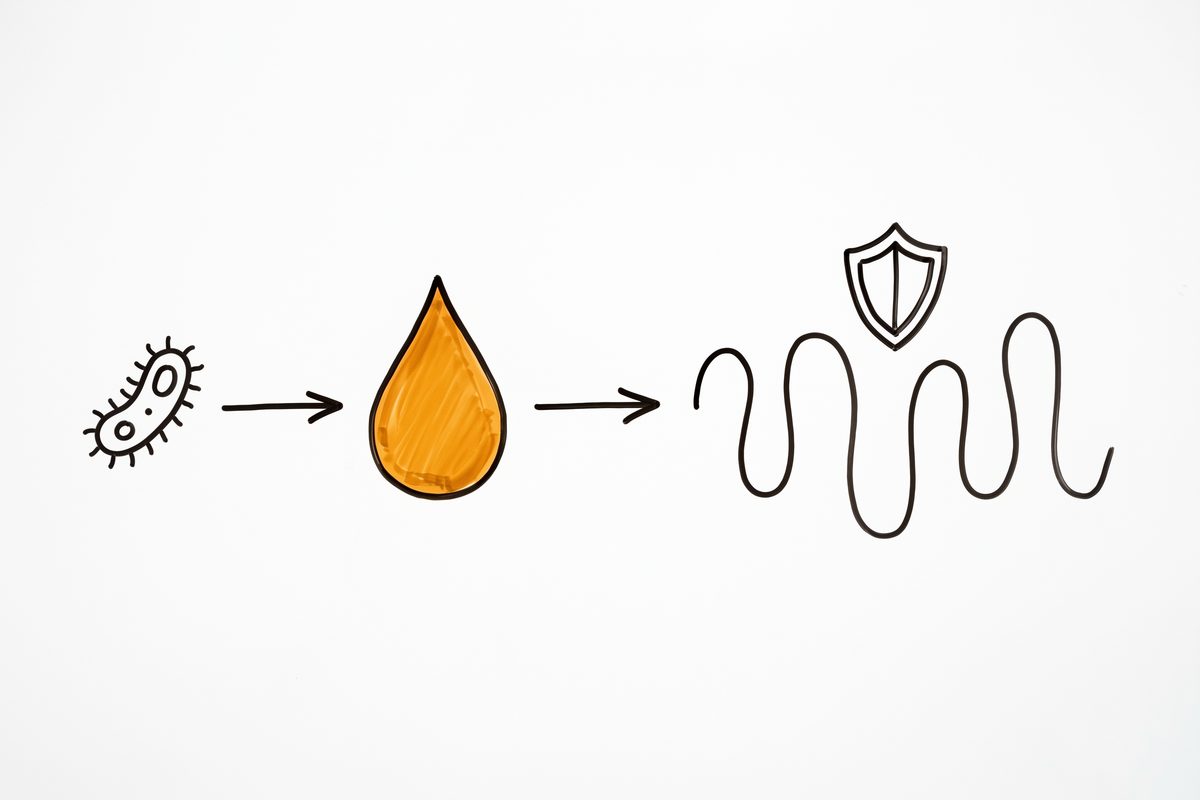
Researchers found that Eubacterium rectale, a bacterium normally present in large numbers in the healthy human gut, synthesizes its own glutathione (a molecule cells use to neutralize damaging reactive oxygen species, sometimes called free radicals). In lab experiments, cell-free spent media (the liquid left behind after growing the bacteria, containing what it secretes but not the bacteria themselves) from Eubacterium rectale lowered reactive oxygen species and nitric oxide levels in stressed human colon cells (Caco-2 cells, a standard lab model of the gut lining). The same effect showed up in human colon organoids (miniature, lab-grown 3D structures that mimic real gut tissue), where the bacterium's secretions reduced oxidative stress markers and partially restored the integrity of the epithelial barrier, the single layer of cells that normally keeps gut contents separated from the rest of the body.
Why This Matters for IBS, IBD, and Other Gut-Barrier Conditions
A weakened or "leaky" gut lining is a recurring feature in inflammatory bowel disease (IBD, which includes Crohn's disease and ulcerative colitis) and is discussed in IBS and other digestive conditions as well. Oxidative stress markers are known to track with IBD severity and treatment response, making the antioxidant pathway this study describes directly relevant to how these conditions are managed and monitored. For a reader already dealing with a gut-barrier-related diagnosis, this study adds specificity to the general advice to "support your gut bacteria": it points to one particular, common species and one particular antioxidant mechanism, rather than a vague appeal to gut health overall.
How Mice, Cells, and Organoids Built the Case
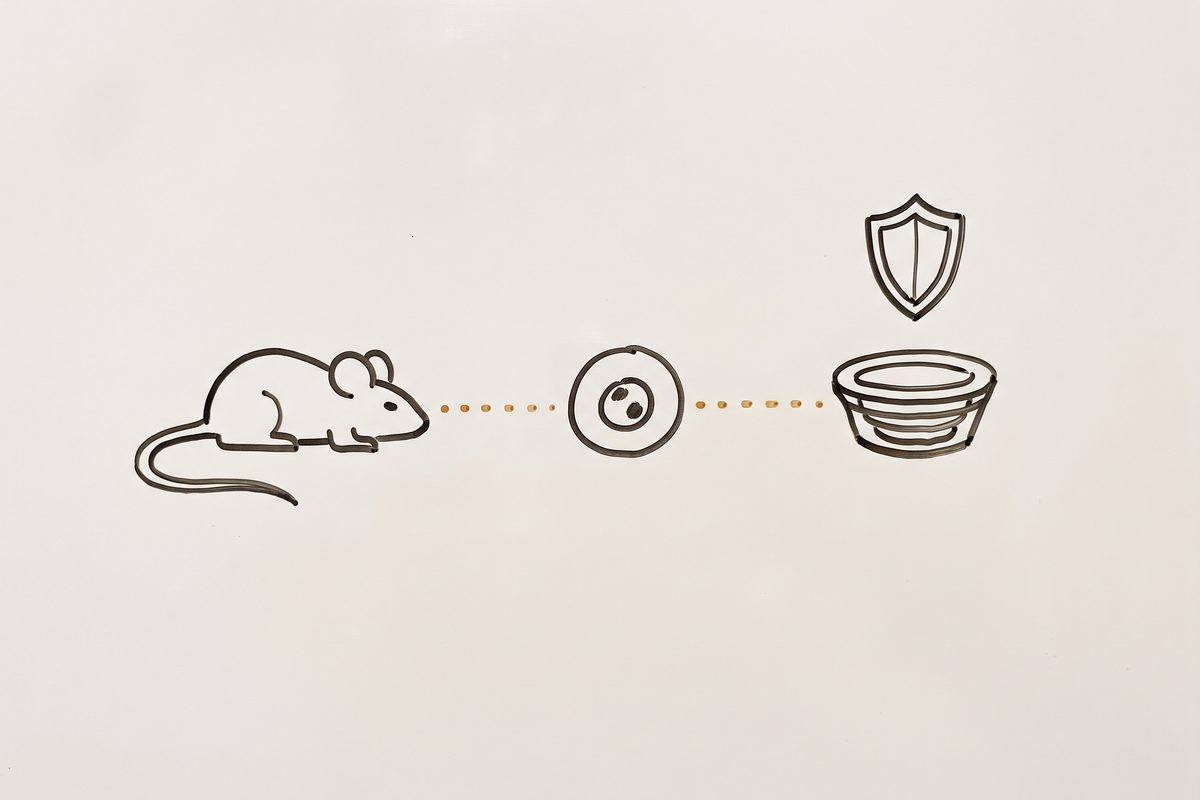
The research combined several models to test the same idea from different angles. In IL-10 knockout mice (mice bred to lack a gene that normally helps control gut inflammation, a standard model for studying colitis), researchers tracked gut tissue across four timepoints in a cohort of 75 pups total. In parallel, they tested Eubacterium rectale's secretions directly on human Caco-2 cells and on colon organoids grown from a single donor's tissue. RNA sequencing of the organoid tissue found 63 gene families with altered activity after exposure to the bacterium's secretions, spanning pathways related to oxidative stress response and cell repair. To connect the lab findings to real patients, the team compared gut bacteria data from the PRISM cohort, a well-characterized IBD patient dataset of 161 people, looking at how Eubacterium rectale abundance related to disease status.
What This Could Mean for Managing Your Own Gut Health
This study does not point to a specific supplement, probiotic strain, or product you can take today based on these findings; Eubacterium rectale is not currently sold as a targeted probiotic, and glutathione supplements taken orally are not the same as glutathione produced locally by gut bacteria. What the study does support is the broader principle behind dietary approaches that feed beneficial gut bacteria, since Eubacterium species are among the gut's more fiber-responsive residents. If you manage IBS, IBD, or another gut-barrier condition, this is a mechanism worth being aware of and potentially discussing with a gastroenterologist as research develops, rather than a basis for a new self-directed intervention.
The Human Evidence Is Correlational, Not a Clinical Trial

The mouse, cell, and organoid experiments in this study establish a plausible biological mechanism, but the human piece of the puzzle is a correlational comparison within the PRISM IBD cohort, not an interventional trial. That means the study can show that Eubacterium rectale levels relate to IBD status in this patient group, but it cannot show that boosting the bacterium would treat or prevent gut-barrier damage in people. The mouse cohort itself was also relatively small, split across four timepoints.
What Comes Next for This Antioxidant-Producing Gut Bacterium
The logical next step is testing whether directly supplementing or boosting Eubacterium rectale levels, through diet, targeted probiotics, or other means, changes gut-barrier function or symptoms in a controlled human trial. Researchers will also need to confirm how much of this mouse-and-organoid mechanism holds up in living human guts, where diet, other bacteria, and individual biology all vary.
Common Questions
Can I take a Eubacterium rectale probiotic? Not currently as a standard, targeted commercial product; this research is still at the mouse, cell, and organoid stage, not a tested human supplement.
Is oral glutathione the same as what this bacterium produces? No. Glutathione supplements taken by mouth are broken down differently than glutathione produced locally by gut bacteria at the site of the gut lining; this study didn't test oral glutathione supplementation.
Does this mean low Eubacterium rectale causes IBD? The study found a correlational relationship between the bacterium's abundance and IBD status in one patient cohort; it does not prove that low levels cause the disease or that raising levels would treat it.
What is oxidative stress in the gut? It's an imbalance where damaging molecules called reactive oxygen species build up faster than the body's antioxidants, like glutathione, can neutralize them, contributing to tissue damage seen in conditions like IBD.
Evidence Rating
INVESTIGATIONAL — 75/100
Caveats
- Human data component is correlational metagenomics, not interventional
- Small mouse cohort (n=75 total pups across 4 timepoints)
This finding comes from mouse, cell-culture, and organoid experiments, with human relevance inferred from correlational (not interventional) patient data.
References
- Tanner G. Richie, Hallie Wiechman, Brooke Vogt, et al. (2026). Microbially derived glutathione from Eubacterium rectale alleviates oxidative stress and promotes intestinal epithelial recovery. Microbiome. https://doi.org/10.1186/s40168-026-02457-y
- Peter Muro, Li Zhang, Shuxuan Li, et al. (2024). The emerging role of oxidative stress in inflammatory bowel disease. Frontiers in Endocrinology. https://doi.org/10.3389/fendo.2024.1390351
- Gut microbiome structure and metabolic activity in inflammatory bowel disease. Nature. https://www.nature.com/articles/s41564-018-0306-4
- Arghya Mukherjee, Cathy Lordan, R. Paul Ross, Paul D. Cotter (2020). Gut microbes from the phylogenetically diverse genusEubacteriumand their various contributions to gut health. Gut Microbes. https://doi.org/10.1080/19490976.2020.1802866


