Hidden in Plain Sight: Host Microbiomes Are a Goldmine for New Antibiotics
From the guts of nematodes to the skin of stingless bees, bacteria living on animal hosts are quietly manufacturing some of the most potent antimicrobial compounds scientists have ever catalogued.

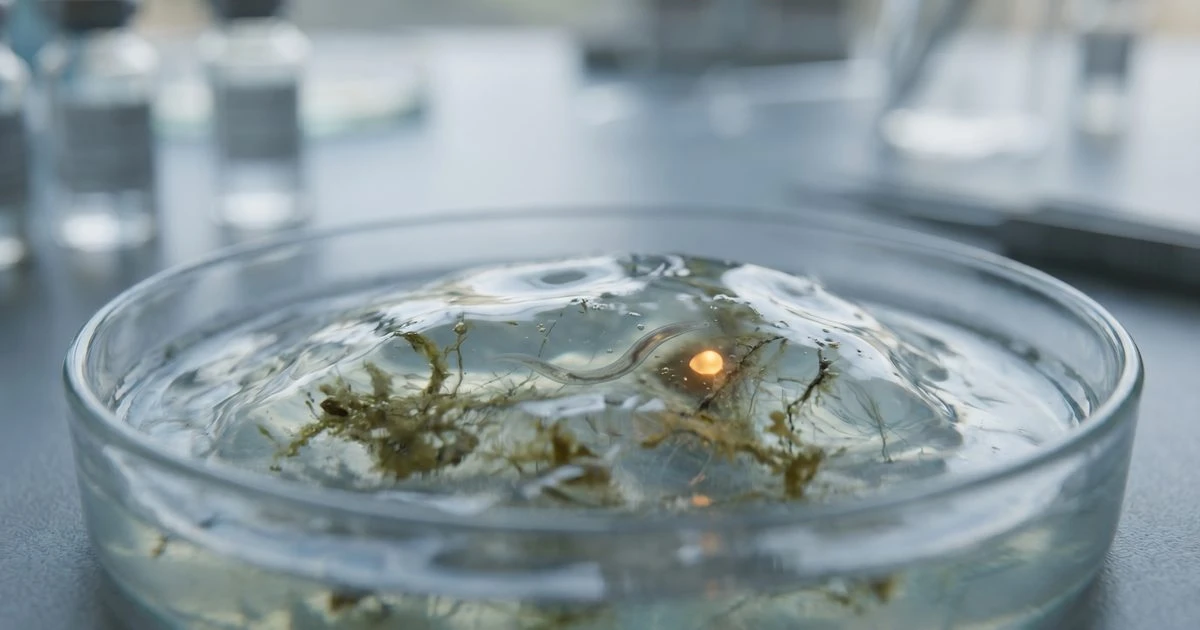
From the gut of a beetle to the nasal cavity of a human, microbes living on animal hosts have been quietly assembling a chemical arsenal for millions of years. A sweeping 2026 review published in Natural Product Reports by S. Götze and C. Beemelmanns now maps the breadth of that arsenal, covering experimentally confirmed natural products with anti-infective and immunomodulatory properties discovered between 2018 and 2025. The picture that emerges is striking: host-associated microbiomes are among the richest and most underexplored sources of new drug leads on the planet.
Darobactin, Odilorhabdins, and Other Nematode-Derived Antibiotics
Some of the most clinically compelling compounds in the review come from bacteria that live inside parasitic nematodes. Xenorhabdus and Photorhabdus species, which form obligate symbioses with entomopathogenic nematodes in the genera Steinernema and Heterorhabditis, allocate up to 6% of their genomes to biosynthetic gene clusters (BGCs) for secondary metabolite production. That is a remarkable investment, and the payoff is visible.
Darobactin, produced by Photorhabdus khanii, is a ribosomally synthesized and post-translationally modified peptide (RiPP) that kills Gram-negative bacteria by targeting BamA, an essential outer membrane assembly protein. It has shown efficacy in mouse infection models. Dynobactin, from Photorhabdus australis, hits the same BamA target and proved therapeutically effective in a murine septicaemia model. Odilorhabdins, synthesized by Xenorhabdus nematophila via a nonribosomal peptide synthetase (NRPS) pathway, block bacterial protein synthesis at the 30S ribosomal decoding center and show broad-spectrum activity against Enterobacteriaceae. Each of these compounds works through a mechanism distinct from existing antibiotics, which matters enormously given the pace at which resistance is spreading.
Also notable is evybactin, a cyclic depsipeptide from Photorhabdus noenieputensis that is selectively active against Mycobacterium tuberculosis by targeting DNA gyrase. Selectivity of that kind is rare and pharmaceutically valuable.
Drug-Resistant Pathogens Targeted by Insect and Amoeba Symbionts
The clinical urgency intensifies when the review turns to bacteria associated with insects and single-celled hosts. Pseudomonas sp. QS1027, isolated from an amoeba microbiome, produces jessenipeptin, which shows activity against methicillin-resistant Staphylococcus aureus (MRSA), and keanumycins, which are amoebicidal and antifungal. Pseudomonas nunensis 4A2e yields keanumycin D alongside nunapeptins B and C, the latter active against nematodes.
Fungus-farming ants have developed layered chemical defenses through their Actinobacteria symbionts. A compound called ECO-0501, from an Amycolatopsis species associated with desert-specialist ants, demonstrates strong antibacterial activity against both MRSA and vancomycin-resistant Enterococci, two of the most feared hospital pathogens. From termite-associated microbes, Micromonospora sp. GR10 produces arenicolides that target multidrug-resistant M. tuberculosis by causing ATP depletion and cell wall destabilization.
Stingless bee microbiomes contribute meliponamycin A, a cyclic hexadepsipeptide from a Streptomyces species with antibacterial activity against S. aureus and antiprotozoal activity against Leishmania infantum. Mosquito-associated Serratia species produce stephensiolides and siderophores active against the Plasmodium parasite responsible for malaria. The cumulative weight of these examples, drawn from wildly divergent host systems, supports the idea that human microbiomes are not the only untapped reservoir of peptide antibiotics; animal hosts across the tree of life are running similar chemical experiments.
Human Microbiome Compounds That Modulate Immunity and Kill Pathogens
The review devotes substantial attention to natural products from microbes living on and in humans. The human oral microbiome's Streptococcus salivarius produces salivabactin, effective against Gram-positive pathogens including S. pyogenes. Staphylococcus epidermidis from human skin and nasal passages synthesizes epifadin, a hybrid NRPS-polyketide antimicrobial that disrupts bacterial membranes and reduces S. aureus burden in models. Cutimycin, from Cutibacterium acnes, is a thiopeptide that potently inhibits MRSA and S. epidermidis by targeting ribosomal protein synthesis.
Beyond direct killing, several human gut microbes produce lipids and small molecules that actively tune immune responses. Muribaculum intestinale (from mouse gut) produces MiCL-1, a cardiolipin that activates TLR2/1 receptors to trigger pro-inflammatory cytokines. Akkermansia muciniphila generates a diacyl phosphatidylethanolamine that, at low doses, suppresses TNF-alpha secretion and promotes immune tolerance. Morganella morganii contributes atypical cardiolipin analogues that similarly activate TLR2/TLR1 signaling. The picture that emerges from research into gut microbial metabolites as immune modulators is one of extraordinary biochemical nuance: the same microbial community can simultaneously produce compounds that fight pathogens, reinforce epithelial barriers, and calibrate inflammatory tone.
On the cautionary side, Morganella morganii also produces indolimines that induce DNA double-strand breaks and cell-cycle arrest in intestinal epithelial cells, suggesting a role in promoting colon cancer. Not every microbial metabolite is a therapeutic gift.
Why Most of This Chemical Space Remains Unexplored
The review is candid about the obstacles. A large proportion of host-associated microorganisms cannot be cultivated under standard laboratory conditions, meaning their biosynthetic gene clusters exist only as sequences, not as accessible production systems. Many BGCs are silent or conditionally expressed in culture, making it difficult to link a microbial genome to a metabolite without active manipulation. The large size and architectural complexity of many BGCs, combined with strain-specific codon usage and requirements for specialized substrates, create bottlenecks for heterologous expression, the technique of transplanting a gene cluster into a tractable host organism to induce production.
These are not trivial problems. As a broader survey of advanced techniques for microbial metabolite discovery notes, tools like the iChip for culturing previously uncultivable bacteria, metagenomics, and AI-assisted genomic mining are beginning to crack open this space, but the gap between predicted scaffolds and experimentally confirmed compounds remains enormous. Most studies in the review examined individual strains in isolation, almost certainly missing metabolites that emerge only from microbial interactions within complex communities.
Mode-of-action studies are another gap. Several compounds in the review are described as active against a pathogen but lack detailed mechanistic data, which limits assessment of their true pharmaceutical potential and the challenges of translating immunomodulatory natural products into consistent therapies remain substantial.
What Comes Next for Microbiome-Derived Drug Discovery
The trajectory suggested by Götze and Beemelmanns points toward three areas of intensifying activity. First, non-human vertebrate microbiomes, including those of migratory birds, which the review notes carry rich resistomes suggesting strong antimicrobial pressure, remain almost entirely unexplored as sources of novel scaffolds. Second, heterologous expression platforms and BGC refactoring are becoming powerful enough to access silent clusters at scale; the review cites a study in which high-throughput refactoring identified 30 RiPPs, including lanthipeptides active against ESKAPE pathogens, from a single screening effort. Third, the immunomodulatory dimension of host-microbiome chemistry, compounds like the Akkermansia phosphatidylethanolamine that dial down inflammation rather than amplifying it, opens the possibility of microbiome-derived therapies for autoimmune and inflammatory conditions, not just infections.
The challenges of moving microbiome research into clinical practice are real: rodent models do not always translate to humans, and ensuring the safety of microbiota-based therapeutics requires frameworks that barely exist yet. But the chemical inventory being assembled across host systems, from amoeba-associated Pseudomonas to human gut Dorea, is broader and more structurally diverse than the existing antibiotic pharmacopoeia. That breadth is reason for measured optimism at a moment when the antibiotic pipeline urgently needs it.
Evidence rating
EMERGING — 80/100
Caveats:
- This is a narrative review, not a new experimental study; it synthesizes findings from many individual studies with varying methodological rigor.
- Most highlighted compounds have been tested in vitro or in animal models only; human clinical data are absent for nearly all featured molecules.
- Many compounds originate from non-human host microbiomes (insects, nematodes, amoebae), and translational relevance to human health remains to be established.
- Funding for this review was not disclosed by the authors.
Narrative systematic review synthesizing experimental literature from 2018 to 2025 on microbiome-derived natural products with confirmed anti-infective or immunomodulatory activity. Covers a broad range of host systems and reports named compounds with measurable biological activity (e.g., MIC values, in vivo murine efficacy data), though the majority of evidence derives from in vitro assays or animal models rather than human clinical trials. Independent replication of individual findings varies, and the review's breadth means depth of mechanistic characterization differs substantially across featured compounds.