Mushroom Phenolics Act Like Prebiotics in the Gut, Early Research Suggests
Fungi are already celebrated for their polysaccharides, but a growing body of early research points to a second class of bioactives, phenolic compounds, that may quietly reshape the gut microbiome in ways that look a lot like prebiotics.

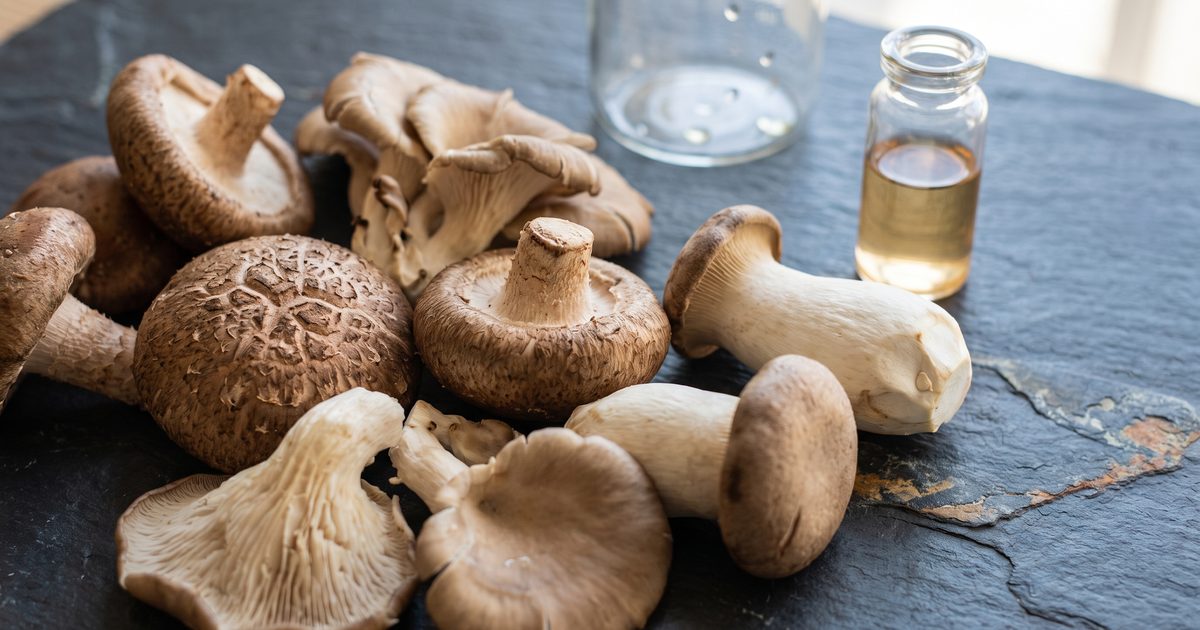
Fungi are already celebrated for their beta-glucans and polysaccharides, but a growing body of early-stage research points to a second class of bioactives in edible mushrooms that has received far less attention. Phenolic compounds, including gallic, caffeic, ferulic, and p-coumaric acids, may quietly reshape the gut microbiome and support metabolic health in ways that look a lot like classic prebiotic activity. A narrative critical review published in Pharmaceuticals by Juliana Garcia and colleagues synthesizes what is known, and issues a clear call for rigorous human trials before any firm conclusions can be drawn.
Mushroom Phenolic Acids and Their Unusual Journey to the Colon
Unlike many plant-derived polyphenols that are partly absorbed in the small intestine, a substantial fraction of mushroom phenolics passes through the upper gastrointestinal tract relatively intact. That limited absorption turns out to be the key to their potential. Once in the colon, resident bacteria transform these compounds into smaller phenolic metabolites through a process called microbial biotransformation. The review identifies eight predominant phenolic acids in edible and medicinal mushrooms: gallic, protocatechuic, caffeic, p-coumaric, ferulic, vanillic, syringic, and cinnamic acids. Each carries a slightly different chemical structure, and those structural differences influence which bacterial species process them and which metabolites result. Research on mushroom polyphenols modulating gut microbiota confirms that this complex matrix of polysaccharides and polyphenols can stimulate short-chain fatty acid (SCFA) production, a hallmark of healthy microbial fermentation.
Potential Metabolic Benefits for People With Cardiometabolic Risk
The downstream effects of these phenolic metabolites extend well beyond the gut lining. The review describes how the metabolites appear to support beneficial bacterial taxa, indirectly boost SCFA output, and attenuate oxidative stress and inflammatory signaling. That combination matters because chronic low-grade inflammation and dysbiosis are tightly linked to metabolic syndrome, type 2 diabetes, and cardiovascular disease. Broader work on phenolic compounds and metabolic regulation suggests phenolics can reduce hyperglycemia, dyslipidemia, and insulin resistance. Separately, polyphenol supplementation studies in metabolic syndrome have linked polyphenol intake to reduced body weight gain and improved insulin sensitivity. If mushroom phenolics prove to operate through similar mechanisms, the population most likely to benefit includes the roughly one in three adults who meet criteria for metabolic syndrome in high-income countries, though that extrapolation is premature given the current state of the evidence.
How the Evidence Was Assembled, and Why That Matters
Garcia and colleagues drew on PubMed, Scopus, Web of Science, and Google Scholar, prioritizing chromatographic and mass spectrometry phenolic profiling studies, in vitro digestion and fermentation models, animal experiments, and any available clinical trials or meta-analyses. They gave particular weight to mechanistic studies that traced the path from a specific compound through microbial transformation to a measurable host outcome. One relevant benchmark comes from an in vitro colonic fermentation study of Pleurotus djamor, which showed that digested mushroom powder increased Lactobacillus and Bifidobacterium counts and stimulated SCFA production. A small randomized pilot trial of a mushroom-based prebiotic in Crohn's disease patients also found clinical improvement and favorable microbial shifts, though neither study isolates phenolics as the active fraction.
Critical Gaps That Preclinical Data Cannot Fill
The review is candid about the limits of what can be concluded right now. Most of the evidence comes from cell cultures and rodent models, and the human data that do exist are almost entirely based on whole-mushroom interventions. That is a fundamental problem: whole mushrooms contain beta-glucans, chitin, and other polysaccharides alongside phenolics, and their contributions cannot yet be quantitatively separated. Digestive stability, colonic bioaccessibility, and the full metabolite profile in living humans are still poorly characterized. Dose-response relationships are undefined, and interindividual variability in gut microbiota composition means that the same mushroom preparation could produce quite different phenolic metabolite profiles in different people. Translational challenges for mushroom-derived compounds more broadly include poor oral bioavailability and a lack of standardization in production and quality control, issues that apply directly to any future phenolic-focused formulation.
What Rigorous Research Would Need to Look Like
Garcia and colleagues outline a clear research agenda. Future studies should compare three types of preparations head-to-head: whole mushroom preparations, polysaccharide-rich fractions, and standardized phenolic-rich extracts. Without that comparative design, it will remain impossible to attribute any observed benefit to phenolics specifically rather than to the polysaccharide fraction that has already attracted decades of research. The review also calls for integration of metabolomics and microbiome profiling in the same participants, so that changes in microbial ecology can be directly linked to specific phenolic metabolites circulating in host tissue. Well-designed clinical trials with defined endpoints, adequate sample sizes, and pre-specified subgroup analyses for microbiome composition are described as the necessary next step before mechanistic or therapeutic relevance can be established.
Mushroom phenolics are not, on current evidence, ready to be positioned as proven prebiotics. What the review establishes is that the biological plausibility is real, the molecular pathway from colonic biotransformation to host benefit is mechanistically coherent, and the gap between that plausibility and human proof is genuinely worth closing. That is a different and more modest claim than the health supplement industry tends to make, and it is also a more honest one.
Evidence rating
INVESTIGATIONAL — 75/100
Caveats:
- This is a narrative review — it synthesizes existing literature but does not generate new experimental data.
- The vast majority of underlying evidence comes from in vitro cell and fermentation models and animal studies; human clinical trial data are sparse and mostly based on whole-mushroom interventions, not isolated phenolic fractions.
- It is not yet possible to attribute observed effects specifically to phenolic compounds rather than to co-occurring beta-glucans, chitin, or other fungal constituents.
- Funding was not disclosed by the authors.
Narrative critical review synthesizing in vitro, preclinical, and limited human data on mushroom-derived phenolic acids and gut microbiota modulation. The review does not generate original experimental data and cannot establish causation; most underlying studies use whole-mushroom matrices or crude extracts rather than isolated phenolic fractions, making compound-specific attribution uncertain. The mechanistic framework is plausible and internally consistent with prior literature, but independent replication in well-controlled human trials is lacking.
References
- Juliana Garcia, Eva Olo-Fontinha, Jani Silva, Rui Dias-Costa, Maria José Alves, Irene Gouvinhas (2026). Mushroom-Derived Phenolic Compounds as Emerging Prebiotic-like Modulators of Gut Microbiota, Intestinal Health, and Metabolism. Pharmaceuticals. https://doi.org/10.3390/ph19071014
- Laura Beatrice Mattioli, Luca Camarda, Martina Aicardi, Enrica Pasquali, Ivan Corazza, Roberta Budriesi (2026). Edible Mushrooms as Emerging Prebiotic Sources: Gut Microbiota Modulation and SCFA-Mediated Health Effects. Foods. https://doi.org/10.3390/foods15091539
- Kamila Kasprzak-Drozd, Tomasz Oniszczuk, Mateusz Stasiak, Anna Oniszczuk (2021). Beneficial Effects of Phenolic Compounds on Gut Microbiota and Metabolic Syndrome. International Journal of Molecular Sciences. https://doi.org/10.3390/ijms22073715
- Polyphenols and gut microbiota modulation in metabolic syndrome. mdpi.com. https://www.mdpi.com/2072-6643/16/1/139
- Giuliane Moura Andrade, Evandro Leite de Souza, Jhonatan Rafael Zárate-Salazar, et al. (2024). Unveiling the Potential Prebiotic Effects of Edible Mushroom Pleurotus djamor During In Vitro Colonic Fermentation. Journal of Agricultural and Food Chemistry. https://doi.org/10.1021/acs.jafc.4c06620
- Shweta Kulshreshtha (2023). Mushroom as Prebiotics: a Sustainable Approach for Healthcare. Probiotics and Antimicrobial Proteins. https://doi.org/10.1007/s12602-023-10164-5
- Samuel Oluwasegun Adesida, Ridwan Abiola Oyetunji, Chibuisi Gideon Alimba (2026). Bioactive Compounds from Edible Mushrooms as Pharmaceutical Ingredients: A Comprehensive Review of the Developmental Pipeline. Processes. https://doi.org/10.3390/pr14050795