A Vaginal Probiotic Cut Bacterial Vaginosis Recurrence From 45% to 30% in a New Trial
A placebo-controlled NEJM trial found a live probiotic strain, delivered vaginally after antibiotics, cut bacterial vaginosis recurrence by a third, but it is not a cure and remains unapproved.

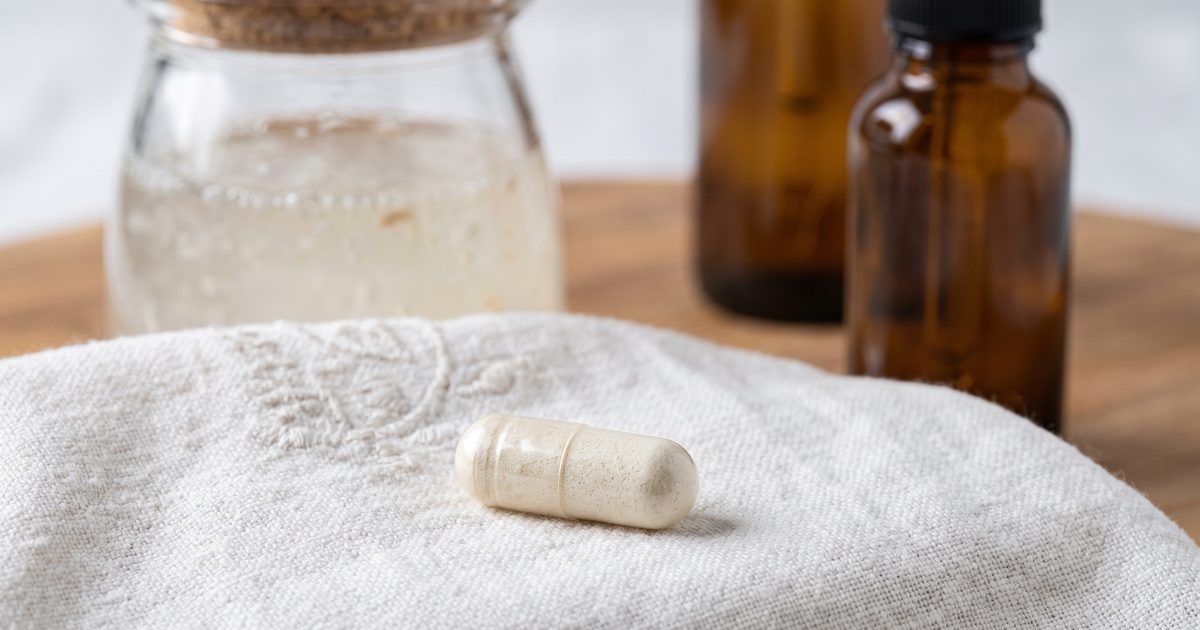
If you have cycled through metronidazole or clindamycin for bacterial vaginosis only to have it come back a few months later, you are far from alone. A new randomized, double-blind, placebo-controlled trial published in the New England Journal of Medicine tested whether a specific probiotic strain, delivered directly into the vagina after standard antibiotic treatment, could break that cycle. The results are some of the strongest evidence yet that a targeted probiotic, not a generic supplement, can meaningfully lower the odds of recurrence, though it is not a cure and is not yet available outside of clinical trials.
Key takeaways
- A vaginal probiotic called Lactin-V cut bacterial vaginosis recurrence from 45% (placebo) to 30% (treatment) over 12 weeks in a randomized trial of 228 women.
- The effect appeared to hold up through 6 months, but colonization by the probiotic strain faded over time and roughly 3 in 10 treated women still had a recurrence.
- Lactin-V is not FDA approved or commercially available; the manufacturer helped review parts of the trial protocol and co-authored the paper, a disclosed but real conflict of interest to weigh.
Lactin-V Probiotic Lowered BV Recurrence by a Third
In this phase 2b randomized trial, women who used the vaginal probiotic Lactin-V (a live biotherapeutic product containing the bacterial strain Lactobacillus crispatus CTV-05) after antibiotic treatment for bacterial vaginosis (BV, a common condition marked by an overgrowth of certain bacteria and a decline in protective Lactobacillus species) had a recurrence rate of 30% by week 12, compared with 45% among women who received a placebo (risk ratio 0.66, 95% CI 0.44 to 0.87, P = 0.01). That works out to roughly a one-third reduction in the relative risk of recurrence.
The probiotic appears to have worked the way it was designed to. Lactin-V is meant to recolonize the vagina with L. crispatus, a bacterial species associated with a healthy vaginal microbiome. Lab testing confirmed this happened: the study strain was detected in 79% of Lactin-V users at the week 12 visit (and in 84% of participants at some point during weeks 4, 8, and 12), compared with just 2% to 6% of placebo users tested at the same visits.
Recurring Bacterial Vaginosis Is a Common, Frustrating Problem
Bacterial vaginosis affects an estimated 15% to 50% of women of reproductive age, and standard antibiotic treatment frequently fails to keep it away. The CDC's STI treatment guidelines note that recurrence rates after antibiotic treatment commonly range from 35% to 70%, and other data cited in the same guidelines put six-month recurrence as high as 43% to 52%. For women managing this cycle, and for those dealing with related conditions like recurrent urinary tract infections or preterm birth risk that are also linked to vaginal microbiome imbalance, a treatment that actually reduces relapse is a meaningful shift from repeatedly re-treating the same infection with the same antibiotic.
Inside the Trial: 228 Women Followed for Six Months
The trial, conducted from April 2016 through February 2019 at four clinical sites in the United States, enrolled 228 premenopausal women aged 18 to 45 who had a current diagnosis of bacterial vaginosis and had just completed a standard 5-day course of vaginal metronidazole gel. Participants were randomly assigned in a 2:1 ratio to receive either Lactin-V or a placebo, both delivered vaginally using a prefilled applicator containing a powder with 2 billion colony-forming units (a measure of live bacteria) of L. crispatus CTV-05. Dosing continued for 11 weeks, and participants were followed for recurrence of bacterial vaginosis through week 24, about six months after enrollment. The National Institutes of Health funded the trial.
What the Findings Mean If You Have Recurrent BV
For someone who has dealt with repeat bouts of bacterial vaginosis, this trial is a reason for cautious optimism, not a reason to expect a fix. The effect was real and statistically significant, but it was partial: even in the treatment group, 30% of women still had a recurrence within 12 weeks, and the probiotic's colonization rate dropped from around 80% at week 12 to 48% by week 24 as women stopped dosing. Among women who had avoided recurrence by week 12, a later relapse by week 24 was still somewhat less common in the Lactin-V group (12%) than in the placebo group (17%), suggesting some benefit persisted, but this was not the trial's primary comparison. Lactin-V is not currently sold or FDA approved for this or any use, so this is not something a reader can go buy at a pharmacy today; it is worth asking a doctor about only in the context of future clinical trials or if a similar product eventually reaches the market. Over the counter vaginal probiotic supplements are not the same product tested here and were not evaluated in this trial.
Limitations: Missing Data and the Manufacturer's Role
Two limitations are worth naming plainly. First, the status of recurrence at week 12 was unknown for 14% of enrolled participants, higher than the 10% the researchers had planned for when they calculated how many women they needed to enroll, which slightly weakens confidence in the exact size of the effect. Second, Osel, the company that makes Lactin-V, reviewed the portions of the trial protocol describing the product and placebo, and one Osel staff member was involved in writing the manuscript. This was disclosed in the paper rather than hidden, and the trial was independently funded by the NIH with an academic-run analysis, but it is still a real financial interest in the outcome that readers should weigh. The trial was also a single phase 2b study in one population (women 18 to 45 with a recent BV diagnosis), not yet the larger phase 3 trial that would typically precede any approval.
What Comes Next for Lactin-V Research
Since this trial, researchers working with the same Lactin-V program have published follow-up analyses looking at which women respond best to treatment and at the probiotic's effects on genital immune markers, both consistent with the original trial's finding that Lactin-V shifts the vaginal environment toward a more protective, Lactobacillus-dominated state. Osel has also begun testing Lactin-V in a separate context, as a potential way to reduce preterm birth risk, since a Lactobacillus crispatus-dominated vaginal microbiome has separately been linked to healthier pregnancy outcomes. Before Lactin-V could reach patients for bacterial vaginosis, it would need to clear a larger phase 3 trial and FDA review, a process that typically takes years.
Common Questions
What exactly is Lactin-V made of? It is a powder containing live Lactobacillus crispatus CTV-05 bacteria, preserved with inactive ingredients and inserted vaginally using a prefilled applicator, similar in concept to how a vaginal suppository is used.
Can I buy Lactin-V right now? No. It is an investigational product tested only in clinical trials and has not been approved by the FDA or brought to market; over the counter probiotic products sold as "vaginal probiotics" are different formulations that were not tested in this study.
Did Lactin-V cause more side effects than placebo? Not significantly. The overall rate of treatment-related adverse events was similar between groups (87% Lactin-V versus 79% placebo, a difference that was not statistically significant), though unsolicited adverse events like genital itching were somewhat more common in the Lactin-V group.
Does this mean probiotics can cure bacterial vaginosis? No. Lactin-V was used after antibiotic treatment to help prevent recurrence, not as a standalone cure, and about 3 in 10 treated women still had a recurrence within 12 weeks.
Evidence Rating
EMERGING — 80/100
Caveats
- Phase 2b trial, single study population (women 18-45 with BV history)
- 14% missing primary-outcome data (above the assumed 10%)
- Manufacturer (Osel) involved in protocol review and manuscript – disclosed, not undisclosed, so no COI kill
A randomized, placebo-controlled NEJM trial found a live-biotherapeutic vaginal probiotic reduced recurrent bacterial vaginosis, though nearly a third of treated women still had recurrence and the manufacturer was involved in the trial.
References
- Craig R. Cohen, Michael R. Wierzbicki, Audrey L. French, et al. (2020). Randomized Trial of Lactin-V to Prevent Recurrence of Bacterial Vaginosis. New England Journal of Medicine. https://doi.org/10.1056/nejmoa1915254
- Bacterial Vaginosis – STI Treatment Guidelines (CDC). cdc.gov. https://www.cdc.gov/std/treatment-guidelines/bv.htm